What Are the Early Warning Signs of a Heart Attack vs. Normal Chest Pain?

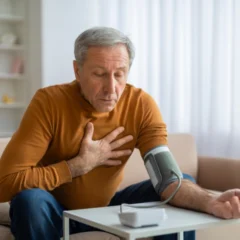
A sudden, weird tightness in your chest? Yeah, it’s terrifying. Every single day, people rush into emergency rooms across Pakistan panicking—wondering if that heavy feeling is just last night’s spicy dinner or an actual heart attack. But here’s the thing: knowing the early warning signs of a heart attack can literally save your life. Because when a blood vessel gets blocked, the heart muscle starts dying right then and there. Minutes matter.
Dr. Gulfam Hashmi, Consultant Cardiologist over at Hashmi Hospital in Farooqabad, constantly tells his patients one thing. Acting fast is your best defense. Period. A lot of folks completely brush off a serious heart issue, thinking it’s just a heavy stomach from eating oily pakoras or late-night tikka. But you’ve got to learn how your body asks for help. So, let’s break down the real differences between a normal ache and a genuine emergency—and exactly when you need to rush to the hospital.
What Are the Most Common Early Warning Signs of a Heart Attack?
Look out for an uncomfortable pressure in your chest. It often feels like squeezing or a dull pain that just won’t quit after a few minutes. And honestly, it’s not always just chest pain. You might suddenly feel out of breath, break out into a weird cold sweat, or feel drained of energy for no reason. Sometimes? The pain shoots straight down your left arm or up into your jaw.
We’ve all seen the dramatic movie scenes, right? Someone clutches their chest and collapses. Real life? It’s rarely like that. Symptoms usually creep up slowly. You might just notice a mild, super annoying ache right in the middle of your chest. Do not ignore this. Seriously. These early warning signs of a heart attack can actually pop up hours—sometimes even days—before a major blockage hits. Catch it early, and doctors can actually stop the permanent damage before it happens.
Key Physical Symptoms to Watch For
- Chest Discomfort: Usually hits dead center or on the left side. Patients often describe it as feeling like an elephant is sitting right on their ribs.
- Upper Body Pain: The pain doesn’t always stay put. It can travel—shooting up to your neck, back, jaw, or even your stomach. Usually, though, it travels down the left arm.
- Shortness of Breath: Feeling completely winded while just sitting on the sofa watching TV? That’s a massive red flag. Take it seriously.
- Cold Sweats and Dizziness: If you’re suddenly dripping in a cold sweat or feel like you’re about to pass out, don’t wait. You need a doctor. Right now.
And here is something really important. Women, the elderly, and diabetic patients often experience totally different symptoms. No classic chest pain at all. Instead, they might just feel totally drained or extremely nauseous—like a bad stomach bug. Bottom line? If things just feel ‘wrong’ inside, getting checked by the best cardiologist in Farooqabad is absolutely the smartest move.
How Can You Tell the Difference Between Chest Pain vs Heartburn?
To tell chest pain vs heartburn apart, pay attention to how it feels. Heartburn is a burning feeling that moves up your throat, usually after food. Cardiac pain feels like heavy pressure or squeezing, mostly triggered by stress or walking.
Mixing up a heart issue with regular acidity is incredibly common. Your food pipe and heart are sitting right next to each other inside your chest. Because they share the same nerves, distinguishing between chest pain and heartburn can confuse even doctors until they run an ECG. Still, there are a few clues you can check at home.
Characteristics of Heartburn (Acid Reflux)
- Burning Sensation: It starts in your stomach area and burns all the way up to your throat.
- Timing and Position: This usually happens after eating oily or spicy local food. Lying down right after dinner makes it much worse.
- Relief Factors: Taking a basic antacid or sitting straight up usually fixes the burn pretty fast.
- Acidic Taste: You might get a bitter, sour taste in your mouth.
Characteristics of Cardiac Chest Pain
- Pressure and Tightness: There is no burning. Instead, your chest feels squeezed or wrapped tightly.
- Physical Triggers: The pain usually starts when you exert yourself, get really angry, or step out into the winter cold.
- Lack of Relief: Antacids won’t help at all. Changing your sleeping position won’t make the heavy feeling go away either.
If the pain is severe or you are sweating, don’t play guessing games. A quick visit to a top heart specialist in Sheikhupura will give you a clear answer through a simple ECG.
What Are the Main Heart Palpitations Causes You Should Not Ignore?
Honestly, the main heart palpitations causes usually come down to everyday things like bad anxiety or chugging too much strong tea. But sometimes, it’s a real medical issue like a thyroid problem. If your fluttering heart brings dizziness or pain, get it checked immediately.
It is totally normal to panic when your heart randomly skips a beat. While it is often harmless, finding the actual causes of heart palpitations is crucial. Sometimes it races just because you ate something heavy, but other times, the electrical signals inside your heart are actually misfiring.

Everyday Triggers vs Medical Conditions
- Lifestyle Factors: Drinking too much strong tea or coffee, smoking, or not sleeping well can make your heart flutter.
- Emotional Stress: When you get anxious or scared, your body releases adrenaline. This makes your heart pound hard.
- Medical Triggers: Issues like a fast thyroid, low blood count (anemia), or a sudden blood sugar drop make your heart work overtime.
- Cardiac Arrhythmias: Problems like AFib cause an irregular heartbeat. This affects how well your heart pumps blood.
If your heart races for no reason while you are resting in bed, book a visit with the best cardiologist in Farooqabad/Sheikhupura, Pakistan. A doctor can easily figure out what is causing the flutter before it turns into a real problem.
How Do Blood Pressure Variations Impact Your Heart Health?
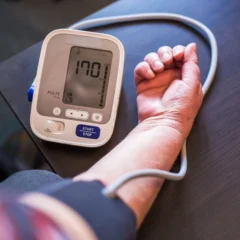
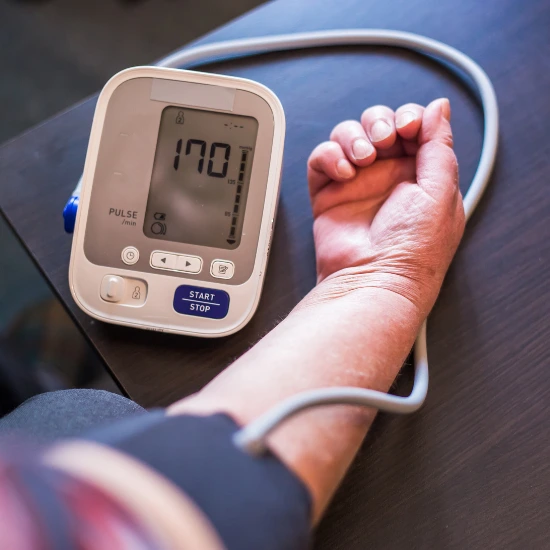
Both high and low blood pressure can seriously wreck your body. High pressure slowly ruins your arteries over time. Low pressure? It actually stops oxygen from reaching your heart. Getting proper low blood pressure treatment and watching your hypertension is exactly how you avoid sudden medical emergencies.
Blood pressure basically just shows how hard your heart has to work to push blood everywhere. Everyone always talks about high blood pressure since it silently damages your arteries over the years. But honestly, low blood pressure (hypotension) is a huge danger too. If it drops way too low, your heart and brain simply don’t get the oxygen they need to survive.
Managing Blood Pressure Extremes
- Recognizing High Blood Pressure: It usually has no symptoms. That is why checking it regularly is a must. Eating less salt and taking your daily meds helps control it.
- Recognizing Low Blood Pressure: If you feel dizzy, see blurry spots, or almost faint when you stand up quickly, your pressure might be too low.
- Implementing Low Blood Pressure Treatment: A good low blood pressure treatment means staying hydrated, drinking enough water in the summer, and eating smaller meals so your sugar doesn’t drop.
- Seeking Professional Care: Never try a low blood pressure treatment without asking a doctor first. Sometimes dehydration or a weak heart valve is the real culprit.
What Are the Best Heart Disease Prevention Tips for a Healthier Life?
So, what are the absolute best heart disease prevention tips? It really comes down to eating way more veggies, actually walking for half an hour every day, quitting smoking, and just showing up for your checkups. These tiny daily habits literally shield your heart from massive emergencies later on.
Look, stopping a heart issue before it even starts is a million times easier than trying to recover from a brutal hospital stay. Sure, genetics matter. But your everyday routine has a massive impact on the health of your arteries. Sticking to these simple heart disease prevention tips can actually keep your whole system running smoothly for decades to come.
Actionable Steps for Heart Health
- Eat a Heart-Healthy Diet: Add more fresh fruits and vegetables to your meals. Cut down on heavy, oily foods and extra salt.
- Stay Physically Active: Try to get 150 minutes of exercise a week. A fast walk in the park or cycling is great for the heart muscle.
- Maintain a Healthy Weight: Losing just a few kilos drops your resting blood pressure and takes a lot of stress off your heart.
- Quit Smoking: Smoking ruins the inside of your arteries and builds up plaque fast. Quitting is the best gift you can give your heart.
Don’t wait until you feel pain to make a change. A top heart specialist in Sheikhupura can help you map out a healthy routine today.
Taking care of your heart means listening to the small signs your body gives you. Whether it is sudden tiredness, a racing heartbeat, or a weird tightness in your chest, never ignore the early warning signs of a heart attack. In emergencies, every single minute counts. If you or someone in your family feels these symptoms, don’t wait. Dr. Gulfam Hashmi and the team at Hashmi Hospital in Farooqabad have the right tools to find out exactly what is wrong and fix it. Don’t take chances with your health. Book an appointment at Hashmi Hospital today for a proper checkup and keep yourself safe.
Medical Disclaimer:
Frequently Asked Questions (FAQs)
Q. How long can you have warning signs before a heart attack?
Warning signs can show up days or even a few weeks before the actual event. Many people notice mild chest tightness, trouble breathing, or weird tiredness up to a month before it happens.
Q. Can a normal ECG mean I am not having a heart attack?
A normal ECG is good news, but it doesn’t completely rule out a heart attack. Sometimes early blockages don’t show up right away, so doctors usually order blood tests just to be safe.
Q. Does drinking water help with chest pain?
If your chest pain is just heartburn or dehydration, a glass of water might settle things down a bit. But water won’t do anything to stop a real heart emergency.
Q. What is the most common time of day for a heart attack?
Heart attacks usually happen in the early morning, mostly between 6:00 AM and noon. This happens because your stress hormones and blood pressure naturally spike as you wake up.
Q. How important is a daily hypertension diet plan?
Following a structured hypertension diet plan is extremely important for long-term cardiovascular health. It limits your daily sodium intake and focuses heavily on fresh home-cooked meals to reduce the heavy workload on your heart.
Contact Us
Related Posts
- September 25, 2026
- Comments (2)