How to Control High Blood Pressure Naturally: Symptoms & Diet

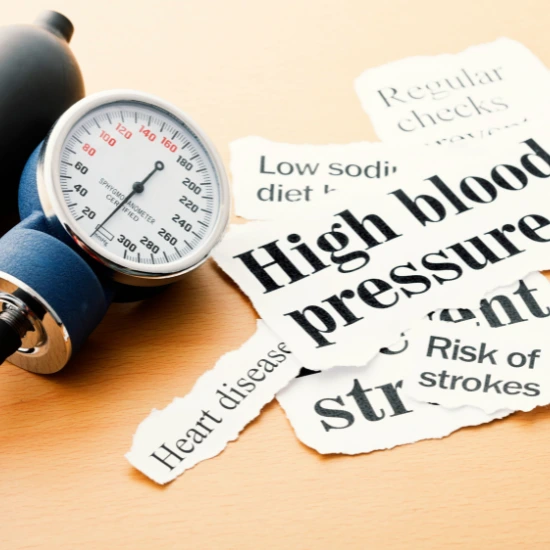
High blood pressure (BP) is a growing health concern for many adults today. It forces your heart and blood vessels to work much harder than they normally should. Over time, this extra stress can damage your vital organs. According to Dr. Gulfam Hashmi, a Consultant Cardiologist at Hashmi Hospital in Farooqabad, managing this condition early is the best way to protect your long-term health.
Education is your first and strongest line of defense. By understanding your body and your daily habits, you can make smart choices to keep your cardiovascular system strong.
What Causes the Numbers to Rise?
Many different factors can cause your readings to climb over time. The blood vessels naturally lose some flexibility as we get older. However, everyday lifestyle choices are the biggest contributors to this problem. Here are the most common reasons your numbers might go up:
- Sitting Too Much: A lack of daily movement makes the heart weak.
- Poor Diet: Eating highly processed foods and fast food puts a huge strain on the body.
- Extra Weight: Carrying extra body weight forces the heart to pump much harder.
- Smoking: Cigarettes damage the blood vessel walls directly and quickly.
- High Stress: Daily tension keeps your heart beating faster than it should.
Understanding the Warning Signs
Most patients do not notice any clear high blood pressure (BP) symptoms in the very beginning. You might feel perfectly fine and energetic even if your numbers are dangerously elevated. This is exactly why medical professionals often call it a silent issue.
However, when the levels get extremely high, some patients might notice a few rare warning signs. These high blood pressure (BP) symptoms can include:
Dr. Gulfam Hashmi advises that waiting for these signs to appear is very risky. The safest approach is getting regular clinic checkups to catch any changes early.
Tracking Your Daily Numbers
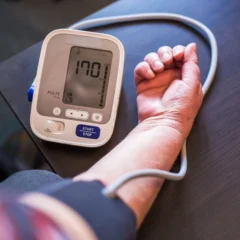
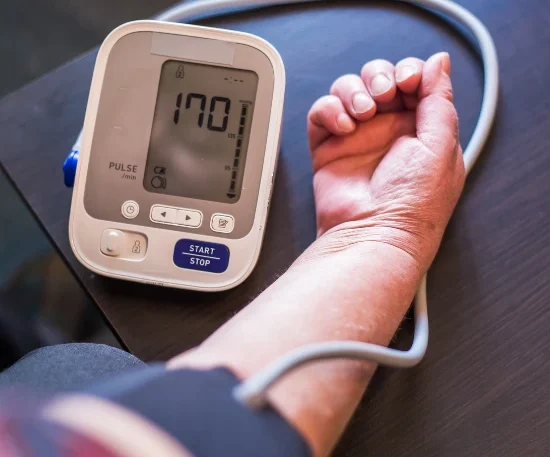
You need to know your exact numbers to protect your heart properly. You should always aim to keep your readings within the normal blood pressure (BP) range, which sits below 120/80 mm Hg. The top number measures the pressure when your heart actively beats. The bottom number measures the resting pressure between those beats.
Maintaining this normal blood pressure (BP) range ensures your heart functions smoothly. It prevents the blood vessels from becoming dangerously stiff or narrow over the years. You should check your numbers at the same time each day and write them down in a notebook.


How to Control High Blood Pressure (BP) Naturally
Many patients visit Hashmi Hospital with a very common question. They want to know how to control high blood pressure (BP) naturally without relying entirely on lifelong daily medicines. Dr. Gulfam suggests making a few simple daily changes:
- Start Walking: A simple 30-minute brisk walk makes a massive difference in your health. Exercise trains your heart muscle to pump blood with much less effort.
- Practice Deep Breathing: Taking slow, deep breaths for five minutes every morning calms the nervous system.
- Improve Your Sleep: Getting seven to eight hours of quality sleep at night helps your blood vessels relax completely.
Learning how to control high blood pressure (BP) naturally is an ongoing process. It simply requires daily patience and consistency.
Building a Hypertension Diet Plan
What you eat directly impacts how your heart performs every single day. Building a well-structured hypertension diet plan is your best defense against rising numbers. This type of plan limits heavy salt intake and focuses heavily on fresh, whole foods.
When you strictly follow a balanced hypertension diet plan, you actively reduce the workload on your cardiovascular system. Cooking meals at home gives you complete control over hidden sodium. You should carefully read the nutrition labels on packaged snacks. Avoiding processed deli meats and canned soups is a fantastic starting point.
Best Foods for a Healthy Heart
Dr. Gulfam highly recommends adding specific foods that lower blood pressure (BP) to your daily home-cooked meals. Potassium actively helps your kidneys flush out excess sodium through your urine. Here are the best foods that lower blood pressure (BP) to include in your meals:
- Bananas and Leafy Greens: Spinach and bananas are very rich in potassium.
- Fresh Berries: Sweet berries are packed with nutrients that protect the blood vessels.
- Morning Oats: A warm bowl of plain oats keeps you full and helps your heart.
- Unsalted Nuts: Almonds and walnuts provide healthy fats for snacking.
- Fatty Fish: Eating fish like salmon twice a week provides excellent fats that protect the heart.
Using fresh garlic and lemon juice instead of salt adds great flavor to your food. Small dietary changes bring excellent long-term rewards for your entire body.
Medical Disclaimer:
Frequently Asked Questions (FAQs)
Q. What is the normal blood pressure range for healthy adults?
For most healthy adults, the normal blood pressure range sits strictly below 120/80 mm Hg. Keeping your daily numbers within this specific range protects your heart and blood vessels from carrying extra stress.
Q. What are the most common high blood pressure symptoms?
This condition is usually completely silent in the beginning. However, when levels spike dangerously, rare high blood pressure symptoms can include sudden dizzy spells, dull morning headaches, and unexpected nosebleeds.
Q. How to control high blood pressure naturally at home?
You can easily learn how to control high blood pressure naturally by walking for 30 minutes every day. Managing your daily mental stress and getting eight hours of quality sleep also help relax your blood vessels significantly.
Q. What are the best foods that lower blood pressure quickly?
Potassium-rich items are the most effective foods that lower blood pressure. Eating fresh bananas, leafy spinach, and unsalted almonds helps your body naturally flush out excess sodium through urine.
Q. How important is a daily hypertension diet plan?
Following a structured hypertension diet plan is extremely important for long-term cardiovascular health. It limits your daily sodium intake and focuses heavily on fresh home-cooked meals to reduce the heavy workload on your heart.
Contact Us
Related Posts